
bus route optimization, Dispatch Software, asset school bus tracking system, best gps device for school bus, driver navigation, easy gps tracker for school bus
In the current landscape of K-12 education, transportation directors are facing a "perfect storm." Budget constraints are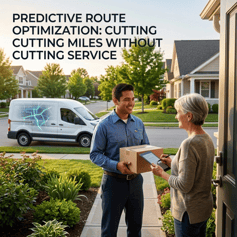 tighter than ever, fuel prices fluctuate with volatile markets, and a chronic national driver shortage continues to disrupt daily operations. For many districts, the traditional approach to routing relying on manual planning or static annual maps is no longer sustainable.
The solution lies in a technological shift toward predictive route optimization. By leveraging Artificial Intelligence (AI) and machine learning, school districts can achieve a seemingly impossible goal, significantly reducing the number of miles driven without compromising the level of service provided to students and parents. At BusBoss, we believe that efficiency shouldn't come at the cost of safety or reliability.
The Science of Efficiency: How AI Transforms Routing
Traditional route planning often relies on "as-the-crow-flies" logic or historical precedent routes that have been "done this way for twenty years." However, these methods fail to account for the dynamic nature of modern traffic, road closures, and fluctuating student populations.
Predictive route optimization uses AI algorithms to analyze vast datasets, including historical traffic patterns, time-of-day congestion, and vehicle capacity limits. Unlike basic GPS, which simply finds a path from point A to point B, AI-driven route optimization considers the entire fleet simultaneously. It looks for efficiencies across hundreds of routes at once, identifying opportunities to combine stops or adjust paths that a human eye might miss.
Research indicates that AI-driven systems can reduce fleet mileage by 10-15% by eliminating "empty miles," the distance driven when a bus is moving but not actively picking up or dropping off students. For a mid-sized fleet, reducing just 100 miles a day can lead to cost reductions of over $12,000 annually in fuel alone, even before accounting for reduced wear and tear on vehicles.
Addressing the Driver Shortage Through Optimization
The driver shortage is perhaps the single biggest hurdle in student transportation today. When districts are short-staffed, the remaining drivers are often overworked, leading to burnout and safety concerns. This is where predictive optimization becomes a strategic HR tool.
By streamlining routes, districts can do more with less. If AI can optimize 50 routes down to 45 without increasing the time students spend on the bus, the district effectively "gains" five drivers. This efficiency helps mitigate the impact of staffing gaps and ensures that every route is covered reliably.
Furthermore, optimized routes are often more logical and less stressful for drivers. When a route is built with accurate traffic data, drivers aren't forced to speed or take risks to maintain an unrealistic schedule. This directly impacts school bus safety and reduces driver fatigue, creating a more sustainable work environment. For more insights on how external factors like legislative changes affect staffing, see our discussion on the driver shortage and language proficiency requirements.
Real-Time Adjustments: The "Predictive" Advantage
The "predictive" element of modern routing goes beyond the initial morning plan. It involves machine learning that anticipates disruptions before they happen. If a specific intersection is historically backed up on Tuesday mornings due to a local market or construction, the AI proactively routes around it.
This real-time adaptability is crucial for maintaining service standards. When a bus is delayed, the system can instantly calculate the impact on all subsequent stops and provide parents with accurate ETAs. This level of transparency is essential in today’s world. Families expect the same level of tracking for their children that they get for a grocery delivery. Integrating student tracking systems with optimized routing ensures that "precious cargo" is accounted for every step of the way.
Cost Reduction Beyond the Pump
While fuel savings are the most visible benefit of route optimization, the long-term financial impact is much broader.
- Vehicle Longevity: Fewer miles driven means fewer oil changes, tire replacements, and engine overhauls.
- Fleet Right-Sizing: By maximizing the capacity of every vehicle, districts can often delay the purchase of new buses, saving hundreds of thousands of dollars in capital expenditures.
- Reduced Overtime: Efficient routes ensure drivers finish their shifts on time, significantly cutting down on unbudgeted overtime pay.
For districts considering a shift in their fleet composition, such as transitioning to electric buses, optimization is even more critical. Because EVs have specific range limitations and charging requirements, predictive routing is necessary to ensure every bus returns to the depot with sufficient charge.
Maintaining Service Quality and Safety
A common fear among transportation directors is that "optimization" means "cutting corners." In the context of BusBoss software, the opposite is true. True optimization prioritizes safety above all else.
For example, an AI algorithm can be programmed to avoid "door-side" pickups on busy multi-lane roads or to ensure that buses never have to make dangerous U-turns. By factoring in these safety parameters, the software creates routes that are not only shorter but inherently safer for students. This is a core component of safeguarding students during boarding and offloading.
Effective communication is also a part of service quality. When routes change due to optimization, parents need to know immediately. Utilizing modern communication methods ensures that the community stays informed and supportive of the changes.
How to Get Started with Predictive Routing
Transitioning to an AI-driven system can feel overwhelming, but it doesn't have to happen all at once. The key is to start with high-quality data. Accurate student addresses, current bus capacities, and clearly defined "no-go" zones are the foundation of any successful optimization project.
To truly get the most out of your route optimization software, districts should:
- Audit Current Routes: Identify the "low-hanging fruit" where buses are consistently under-capacity.
- Implement GPS Tracking: Use real-world data to refine the AI's predictive capabilities. Bus GPS systems are essential for validating that the optimized plans are working in the field.
- Train Staff: Ensure that dispatchers and drivers understand how to use the new tools to their advantage.
Summary and Key Takeaways
Predictive route optimization is no longer a luxury; it is a necessity for modern school transportation departments. By using AI to cut unnecessary mileage, districts can:
- Reduce Costs: Lower fuel consumption and maintenance expenses.
- Solve Staffing Challenges: Maximize the impact of existing drivers and reduce burnout.
- Improve Service: Provide more accurate ETAs and reliable student tracking.
- Enhance Safety: Build routes that avoid hazardous areas and prioritize student well-being.
At BusBoss, we have over 20 years of experience helping districts navigate these complexities. Our software is designed to handle the toughest urban and rural routing scenarios, ensuring that your fleet operates at peak efficiency.
Are you ready to see how much your district could save?
Schedule a software demo today and discover how predictive route optimization can transform your transportation department.

PRESIDENT
Sonia has been involved with BusBoss since the late 1990’s, and has personally overseen many projects for various customers ranging from large urban and suburban districts to smaller rural school districts from all over the country.
 (484) 941-0820