
bus route optimization, Dispatch Software, asset school bus tracking system, best gps device for school bus, driver navigation, easy gps tracker for school bus
If you've ever spent hours hunched over spreadsheets trying to figure out the most efficient way to get 500 kids to school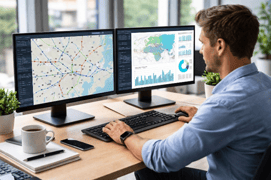 on time, you know the struggle is real. School bus routing has traditionally been a tedious, time-consuming process that relies heavily on institutional knowledge and a whole lot of guesswork.
But here's the exciting news: Large Language Models (LLMs) are starting to change the game. These AI-powered tools are making it possible to analyze massive amounts of data and suggest routing patterns that would take humans weeks to figure out. Let's dive into how this technology is transforming the way school districts plan their bus routes.
What Exactly Are LLMs, Anyway?
You've probably heard of ChatGPT or similar AI tools by now. LLMs are the technology behind these systems. They're artificial intelligence models trained on enormous datasets that can understand, interpret, and generate human-like text.
But here's where it gets interesting for school transportation - LLMs aren't just about writing emails or answering questions. They can process and analyze complex data patterns, understand context, and provide recommendations based on multiple variables at once.
Think of an LLM as that incredibly experienced transportation director who's been in the business for 30 years and can look at a map and instantly know the best routes. Except this "director" can process information from thousands of schools simultaneously and never forgets a single detail.
From Manual Planning to AI-Assisted Intelligence
Let's be honest about how route planning has worked for decades. Most districts rely on a combination of:
- Paper maps and highlighters
- Spreadsheets that would make your eyes water
- "We've always done it this way" institutional knowledge
- Routes that only exist inside drivers’ heads
- Hours of manual adjustments when things change
This approach worked okay when districts were smaller and schedules were simpler. But today's transportation managers face a perfect storm of challenges: split custody arrangements, multiple school start times, students with special needs, and constantly shifting enrollment patterns.
The hidden costs of inefficient routes add up fast - we're talking extra fuel, overtime pay, vehicle wear and tear, and frustrated parents wondering why the bus is always late.
How LLMs Are Changing the Routing Game
Here's where things get exciting. LLMs can analyze historical traffic data, school schedules, and countless other variables to suggest routing patterns that humans might never consider. Let's break down what this looks like in practice:
Understanding Natural Language Requests
One of the biggest advantages of LLMs is that you can communicate with them in plain English. Instead of programming complex algorithms, a transportation manager can simply ask:
"Show me alternative routes that avoid Main Street during morning rush hour and accommodate our three wheelchair-accessible stops."
The AI understands the context and provides actionable suggestions. No coding required.
Analyzing Patterns Humans Miss
LLMs can process years of historical data (traffic patterns, weather impacts, construction delays, seasonal variations) and identify patterns that would be impossible for humans to spot manually.
For example, the AI might notice that Route 7 consistently runs 8 minutes late on Wednesdays because of a farmers’ market that affects traffic. A human planner might never connect those dots, but an LLM analyzing the data would flag it immediately.
Adapting to Complex Scheduling Needs
Modern school districts often have staggered start times, magnet programs, and split custody situations that make routing feel like solving a Rubik's cube blindfolded.
LLMs can juggle all these variables simultaneously, suggesting optimized routes that account for every student's unique situation while maximizing efficiency.
Real Benefits for Your District
So, what does this actually mean for school districts looking to modernize their operations? Here are the tangible benefits:
- Time Savings: What used to take days of manual planning can be reduced to hours - or even minutes - of review and refinement.
- Cost Reduction: More efficient routes mean less fuel, less vehicle wear, and fewer overtime hours for drivers. That's money that can go back into your transportation program or other district needs.
- Better Parent Communication: When routes are optimized and predictable, keeping parents informed becomes much easier. No more fielding angry calls about buses that are mysteriously 20 minutes late.
- Improved Safety: Efficient routes mean less time on the road, which translates to reduced risk. Combined with proper driver training and fatigue management, AI-assisted routing supports a comprehensive culture of safety.
The Human Element Still Matters
Here's something important to understand - LLMs aren't replacing transportation professionals. They're empowering them.
Think of AI as a super-powered assistant that handles the number-crunching and pattern recognition, freeing up your team to focus on what humans do best: building relationships with families, training drivers, handling unexpected situations, and making judgment calls that require empathy and local knowledge.
The best results come when experienced transportation managers use AI tools to enhance their expertise, not replace it.
What's Coming Next
We're still in the early stages of LLM adoption in school transportation, but the trajectory is clear. As these tools become more sophisticated and accessible, we'll see:
- Real-time route adjustments based on traffic conditions
- Predictive modeling for enrollment changes
- Seamless integration with GPS tracking systems
- Natural language interfaces that anyone on your team can use
The Bottom Line
LLMs represent a genuine shift in how school districts can approach route planning. The days of spending weeks manually optimizing routes are numbered. Instead, transportation teams can leverage AI to do the heavy lifting while they focus on the human side of getting kids to school safely.
The districts that embrace these tools now will have a significant advantage: lower costs, happier parents, and more efficient operations. Those that wait will find themselves playing catch-up.
Ready to explore how modern technology can transform your school bus routing? Visit BusBoss to learn about solutions that can help your district work smarter, not harder. The future of school transportation is here - and it's pretty exciting.
Click here to request a live demo of our products.

PRESIDENT
Sonia has been involved with BusBoss since the late 1990’s, and has personally overseen many projects for various customers ranging from large urban and suburban districts to smaller rural school districts from all over the country.
 (484) 941-0820