
bus route optimization, Dispatch Software, asset school bus tracking system, best gps device for school bus, driver navigation, easy gps tracker for school bus
Play blog summary Listen
Choosing among student transportation safety platforms is a major decision for any school district. The right system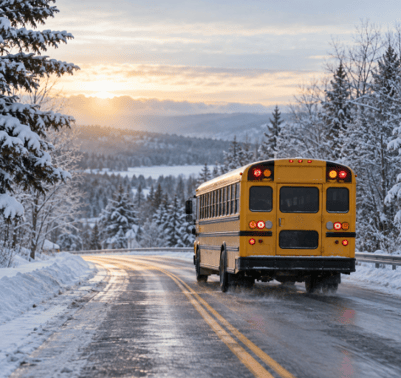 should do more than display bus locations. It should help your team verify students, document compliance, respond to disruptions, protect sensitive data, and communicate clearly with families.
Transportation directors also need a platform that works in daily operations. A system that looks impressive during a demonstration but creates extra work for dispatchers and drivers will not support long term safety.
Here are seven factors to evaluate.
1. Compliance reporting should be built into daily work
Safety compliance reporting is most useful when it comes directly from normal transportation activity. Your platform should capture route performance, student boarding events, vehicle inspections, driver activity, incidents, and route changes without requiring staff to rebuild the record later.
Ask whether the system can produce reports for
- Student counts by route and stop
- Actual route history and deviations
- Driver and vehicle activity
- Inspection and incident records
- School bus compliance reviews
- State and district audits
The National Highway Traffic Safety Administration provides federal guidance related to pupil transportation safety. The Transportation Security Administration GPS best practices also highlight route monitoring, geofencing, status reporting, and exception alerts.
A strong platform should help you connect those expectations to usable records. It should not leave your team searching through paper forms and disconnected spreadsheets.
2. GPS visibility should support decisions, not just display dots
Real time GPS is valuable when dispatchers can compare the planned route with the route actually traveled. Look for location updates, route history, speed information, unauthorized stop alerts, and deviation reporting.
TRIPpatrol provides real time vehicle visibility, route playback, security alerts, and activity logs. ROUTEpatrol Web connects route planning with performance information so transportation teams can identify delays, inefficient paths, and recurring trouble spots.
Ask these questions during a product review
- How often does the system update vehicle locations?
- Can dispatchers see all vehicles in one view?
- Can staff review what happened after an incident?
- Can the system identify route deviations and unauthorized stops?
- Can managers compare planned performance with actual performance?
The goal is better school bus safety and faster decisions. A map alone is not enough.
3. Student accountability requires more than vehicle tracking
A GPS device can show where a bus is. It cannot confirm which students are on board. That is why student ridership verification systems are an important part of modern student transportation management.
Ask whether the platform supports student boarding verification through cards, barcode scanning, NFC, or a driver operated tablet. The record should connect the student, bus, stop, time, and location.
STUDENTpatrol can track students as they enter or leave the bus and provide current rider information to authorized staff. The ROUTEpatrol Tablet App supports ridership collection, driver notifications, wrong stop alerts, and pre trip and post trip inspections.
This information can help your team
- Respond faster during an emergency
- Identify unassigned students
- Investigate disputed boarding events
- Improve ridership data accuracy
- Tune routes using actual usage
- Support reporting and reimbursement
During a demonstration, ask the vendor to show how the system handles a student boarding the wrong bus or exiting at an unexpected stop.
4. Parent communication should use the same live data
Families need clear information when a bus is delayed, rerouted, or approaching a stop. If parent messages come from a separate system, they may not match what dispatchers or schools see.
PARENTpatrol gives families access to bus locations, estimated arrival times, stop counts, boarding notifications, and route updates. This reduces calls to the transportation office and gives parents a reliable way to stay informed.
Also ask how schools receive alerts. The best school transportation technology gives dispatch, school administrators, drivers, and parents access to the information appropriate for their role.
Privacy must remain part of the conversation. Review access controls, user permissions, data retention, and vendor security practices. The U.S. Department of Education student data security checklist offers useful questions for districts handling student information.
5. Real time rerouting must follow a clear process
Road closures, weather, driver absences, and vehicle problems can disrupt a school district transportation operation with little warning. Your platform should support a documented response process.
For real time bus rerouting, evaluate these four steps
- Detect the disruption instantly through GPS alerts, driver reports, dispatch updates, or school notifications.
- Reassign and adjust using intelligent software so the dispatcher can combine, split, or reassign routes without rebuilding the full schedule.
- Push instructions directly to driver tablets so drivers receive the current route and stop information.
- Keep parents and schools informed through consistent alerts that reflect the latest approved plan.
DISPATCHpatrol supports last minute route changes when drivers are absent or buses are unavailable. It works with the ROUTEpatrol Tablet App so updated instructions can reach drivers without relying on printed sheets.
Ask a vendor to demonstrate a live disruption scenario rather than showing only a standard route.
6. Maintenance records belong in the safety picture
A bus that is not maintained properly can affect student safety, on time performance, and district transportation cost control. Your platform should connect vehicle readiness with routing and dispatch decisions.
Ask whether the system tracks preventive maintenance, inspections, work orders, driver certifications, parts, fuel, and compliance deadlines. FLEETpatrol supports fleet maintenance and DOT compliance records, including inspection schedules, work orders, certifications, and cost reporting.
This matters because system maintenance challenges often grow as fleets and reporting requirements expand. A platform should provide reminders before a certification or inspection expires. It should also make it easy to identify vehicles that are repeatedly creating repair costs or service interruptions.
When reviewing software, ask how maintenance information affects dispatch. Can an out of service vehicle be removed from an assignment quickly? Can managers see whether a spare bus is ready? Can reports support budget planning?
7. Integration and vendor support determine long term value
Transportation data changes constantly. Students enroll, withdraw, move, change schools, or require alternate transportation. Manual updates create risk and reduce ridership data accuracy.
LiveSYNC connects BusBoss with supported student information systems so additions, withdrawals, address changes, and route information can move between systems. This reduces duplicate entry and helps prevent outdated assignments.
Also review user permissions and audit logs. Large districts should ask how the platform prevents enterprise district misuse, such as unauthorized route edits or access to information outside an employee’s role.
Finally, ask what happens after implementation
- Is training available for dispatchers and drivers?
- Can the vendor support a phased rollout?
- Who handles integration issues?
- Are software updates included?
- Can your team reach a knowledgeable support representative?
A reliable vendor should understand school district transportation and the operational pressure your team faces during the school year.
Summary and next step
The strongest student transportation safety platforms connect compliance reporting, GPS visibility, ridership verification, parent communication, maintenance, integration, and support in one operational picture.
Evaluate each system with real scenarios. Test a route deviation, a wrong stop boarding event, a vehicle breakdown, a driver absence, and a student information update. Then review the reports those events create.
If you are evaluating options for your district, schedule a BusBoss demo to see how routing, tracking, ridership, dispatch, and communication work together.

PRESIDENT
Sonia has been involved with BusBoss since the late 1990’s, and has personally overseen many projects for various customers ranging from large urban and suburban districts to smaller rural school districts from all over the country.
 (484) 941-0820