

bus route optimization, Dispatch Software, asset school bus tracking system, best gps device for school bus, driver navigation, easy gps tracker for school bus
Play blog summary Listen
Transportation directors carry a heavy burden every single morning. You need to know that every child got on the right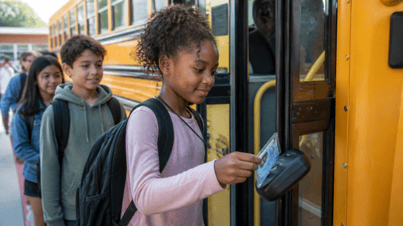 bus, reached the correct school, and returned home safely. When school districts invest in student ridership verification technology, they expect total peace of mind. They expect automated scans, accurate manifests, and immediate answers when a parent calls in a panic.
Yet many districts experience frustrating verification failures. Scans do not match rosters. Drivers report conflicting numbers. Parents receive delayed or incorrect updates. These failures erode trust in your safety systems and create chaos during peak dismissal hours.
Understanding why verification systems break down is the first step toward fixing them. Let us examine the core reasons why student ridership verification fails in school districts and how your team can build a reliable tracking workflow.
1. Outdated Roster Synchronization Between the SIS and Transportation
The foundation of any verification system is the student roster. If your bus management software is out of sync with your student information system, verification will fail immediately.
Many districts update transportation lists manually or only during major enrollment periods. Students move houses, change bus stops, or withdraw entirely. If these changes take days or weeks to reach the transportation department, drivers scan cards for students who no longer ride or miss students who started yesterday.
When verification relies on stale data, every mismatch triggers a false failure. The system flags a valid student as unknown simply because the database has not been refreshed. To solve this, districts need automated data synchronization that keeps transportation files aligned with school records in real time.
2. Relying on Generic GPS Instead of Student Level Tracking
Another common pitfall is purchasing generic fleet tracking hardware. Many GPS providers offer vehicle dots on a map and speed monitoring. While these tools help fleet managers watch fuel use and vehicle locations, they lack any awareness of individual students.
A generic GPS tracker cannot tell you whether a specific child boarded at their designated corner. It cannot generate passenger manifests or alert a driver when a child steps onto the wrong bus.
Districts often assume that seeing a bus on a digital map equals tracking the students inside. When parents call asking where their child is, vehicle location alone is not enough. You need student level tracking solutions like STUDENTpatrol that connect barcode or RFID scans directly to your routing database.
3. Disabling or Misconfiguring Verification Alert Modes
Even when districts install advanced tracking hardware, software features are sometimes left half configured. Some platforms feature verification modes that flag wrong stops or unauthorized riders. If transportation staff leave these security modes disabled, the system simply records ID numbers without validating them against the route manifest.
When verification alerts are turned off, the software fails to warn the driver about misrouted children. Staff only discover the error after the bus completes its route. Setting up proactive exception alerts ensures that drivers and dispatchers receive immediate notifications the moment a student boards an incorrect vehicle.
4. Hardware Vulnerabilities and Student Card Handling Issues
Technology is only as strong as its daily execution. Barcode cards and RFID tags can become damaged, worn out, or left at home. When a student forgets their tag, drivers must manually look up their name on a tablet or paper list, which introduces friction and delays boarding.
Furthermore, student behavior can compromise data accuracy. Children occasionally hand their cards to friends who forgot theirs or swap tags as a joke. When a card scans successfully, the system logs the card rather than the actual child.
Transportation teams must establish clear school policies regarding lost or damaged ID cards. Training drivers to verify unfamiliar faces alongside digital scans prevents card sharing from corrupting your ridership reports.
5. Disconnected Parent Communication Channels
Verification data loses its value if it stays trapped in the back office. When parents cannot access accurate ridership statuses, they call the school district office with frantic questions.
If your dispatch team has to cross reference multiple spreadsheets to answer a simple phone call, response times slow down. Delays breed parent anxiety and create public relations challenges for school administrators.
Bridging the gap requires connecting your tracking data directly to parent communication tools. Solutions like the PARENTpatrol mobile app give families minute to minute updates on bus arrivals and notifications when their child is marked on or off the vehicle. Keeping parents informed reduces inbound call volume and builds community trust.
Actionable Steps to Fix Your Ridership Verification Process
Fixing verification failures requires a holistic approach that combines clean data, proper training, and integrated software tools. Follow these steps to strengthen your district transport workflow:
- Audit your data pipelines: Ensure your transportation software syncs automatically with your student information system to eliminate manual data entry delays.
- Upgrade to student aware tracking: Move beyond basic GPS dots by implementing integrated RFID or barcode scanning systems that monitor individual passenger movements.
- Configure exception alerts: Turn on automated notifications for wrong stop arrivals and unassigned riders so drivers can catch errors before leaving the school curb.
- Train substitute drivers: Provide clear protocols and tablet guides for substitute drivers who may not know the students on their temporary routes.
- Engage families directly: Deploy secure mobile applications to give parents transparent updates and eliminate anxiety over bus arrival times.
Summary and Takeaway
Student ridership verification fails when districts rely on disconnected tools, outdated rosters, and generic fleet tracking. Protecting your students requires an end to end transportation management system that ties live GPS data, student boarding scans, and parent communication into a single database.
When your software works together seamlessly, you eliminate blind spots, streamline compliance reporting, and give parents the reassurance they deserve.
Ready to see how an integrated routing and student tracking system can transform your district operations? Take the next step and schedule a personalized software demo with our transportation experts today.

PRESIDENT
Sonia has been involved with BusBoss since the late 1990’s, and has personally overseen many projects for various customers ranging from large urban and suburban districts to smaller rural school districts from all over the country.
 (484) 941-0820