

bus route optimization, Dispatch Software, asset school bus tracking system, best gps device for school bus, driver navigation, easy gps tracker for school bus
Play blog summary Listen
Field trips are the highlights of the school year for many students. These trips provide hands on learning and memories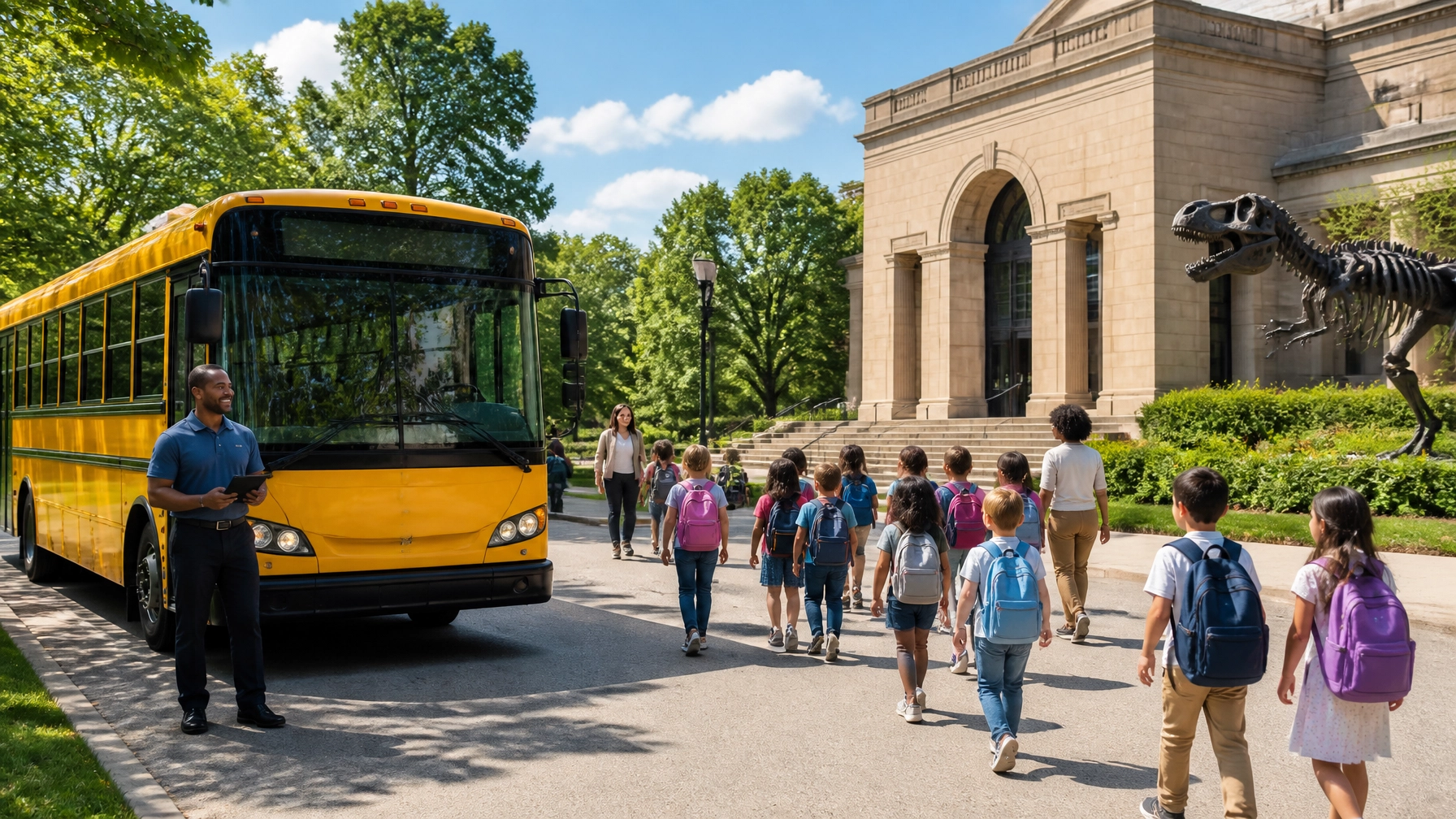 that last for a lifetime. However field trips also bring a unique set of safety challenges for school districts and transportation directors. Managing dozens of children in a new environment requires more than just a bus and a chaperone. It requires a detailed plan and the right technology to ensure every child returns home safely.
In 2026 the standard for student safety is higher than ever before. Parents expect to know where their children are at all times. Administrators need to be ready for any emergency. Drivers need clear tools to manage their passengers without distractions. This blog post provides a seven step audit to help you evaluate your field trip safety protocols. By following these steps you can protect every student and give your community peace of mind.
1. Move to Digital Manifests and Rosters
The days of paper clipboards and handwritten notes are over. Paper rosters are easy to lose and they do not update in real time. If a student stays home or joins a different group at the last minute a paper list becomes a safety risk.
For your 2026 safety audit you should check if your staff uses digital manifests. Digital tools allow teachers and drivers to see exactly who should be on the bus. These lists sync across devices so the school office and the trip leader stay on the same page. This prevents the confusion that often happens during busy boarding processes. When everyone has access to the same data you reduce the chance of a student being left behind.
2. Implement Real Time Student Visibility
Knowing that a student is on a list is not the same as knowing they are actually on the bus. Real time student tracking is a core part of a modern safety audit. You should look for systems that use ridership technology to log every time a student enters or exits the vehicle.
BusBoss offers DISTRICTpatrol which provides this level of visibility. When students scan a card or use a digital ID as they board the system records their location. This information is vital if a parent calls with a question or if there is a delay on the road. Knowing the exact count of students on the bus at any moment is the fastest way to verify safety. It takes the guesswork out of the trip and allows staff to focus on supervision rather than counting heads.
3. Strengthen Driver and Office Communication
Communication is the backbone of safety during off site trips. Drivers often travel to unfamiliar locations far from the school district. They might face heavy traffic or road closures that are not on their regular routes.
A safe trip requires a direct line of communication between the driver and the dispatch office. You should audit your current communication tools to ensure they are reliable. Relying on personal cell phones is not always the best choice for professional safety. Integrated tablets or GPS systems allow drivers to receive updates without taking their hands off the wheel for long periods. If an emergency happens the driver must be able to signal for help instantly. Clear communication ensures that the district can provide support the moment it is needed.
4. Prioritize Parent Transparency
Safety is not just about what happens on the bus. It is also about keeping families informed. Parents feel much more secure when they can see the progress of the trip. This transparency builds trust between the school and the community.
Your audit should include a review of how you share information with parents. Using a tool like PARENTpatrol allows parents to see the bus location in real time. They can receive alerts when the bus is nearing the school for afternoon pickup. This reduces the number of phone calls to the front office and ensures that students are not left waiting at the curb. When parents are part of the safety loop the entire process runs more smoothly.
5. Formalize Emergency Readiness Plans
Every field trip needs an emergency action plan. This plan should cover more than just bus accidents. It should include protocols for lost students or medical emergencies at the destination. It should also account for severe weather or unexpected lockdowns.
During your audit you should verify that every chaperone and driver has a copy of this plan. They should know exactly who to call and where to meet if the group gets separated. You can find more tips on building these plans in our guide on school bus safety plans. Being prepared for the worst case scenario is the best way to prevent a minor incident from becoming a major crisis.
6. Conduct Thorough Vehicle Pre Trip Inspections
The safety of the students depends on the safety of the vehicle. Field trips often involve longer distances and higher speeds than daily routes. This puts more stress on the bus. A mechanical failure on a highway is a significant safety risk.
Your audit should require a documented pre trip inspection for every field trip vehicle. Using a school bus pre trip inspection app ensures that drivers check every vital system. This includes brakes and lights and tires. Digital logs provide a permanent record that the inspection was completed. This protects the district from liability and ensures that every bus on the road is in top condition.
7. Review Data for Continuous Improvement
The final step in a 2026 safety audit is looking at the data after the trip is over. Modern transportation software collects a wealth of information. You can see the actual route taken and the time spent at each stop. You can also see if there were any instances of speeding or hard braking.
Reviewing this data helps you identify areas for improvement. Perhaps a certain museum has a crowded parking lot that makes loading difficult. Maybe a specific route is consistently delayed by construction. By analyzing these details you can make better decisions for future trips. Safety is not a one time task but a process of constant learning and adjustment.
Summary and Takeaway
Safety on school field trips requires a combination of careful planning and modern technology. By auditing your digital manifests and student tracking and communication tools you can create a secure environment for every child. Transparency with parents and thorough vehicle inspections further strengthen your safety net. In 2026 student safety is the top priority for every district. Taking these seven steps will ensure that your field trips remain the fun and educational experiences they are meant to be.
Are you ready to upgrade your field trip safety? Contact BusBoss today to learn how our software solutions can help your district protect its most precious cargo.

PRESIDENT
Sonia has been involved with BusBoss since the late 1990’s, and has personally overseen many projects for various customers ranging from large urban and suburban districts to smaller rural school districts from all over the country.

 (484) 941-0820