

bus route optimization, Dispatch Software, asset school bus tracking system, best gps device for school bus, driver navigation, easy gps tracker for school bus
Play blog summary Listen
Most maintenance records are created for the shop, not for the day someone asks to see them. A technician may know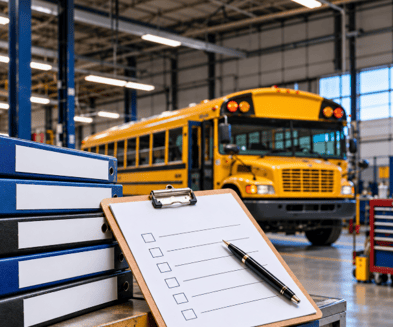 what was repaired, but the district still needs a record that identifies the bus, the work, and when it happened.
An inspection visit tests whether that information is organized and easy to produce. Here is what inspectors typically ask to see, what a complete answer looks like, and how transportation directors can prepare. Requirements vary by state and by operator. Federal rules may also apply differently to public agencies and private contractors. Check the rules that govern your district, including FMCSA guidance and federal vehicle maintenance regulations.
What inspectors typically ask to see
The following records are common requests, not a universal checklist. State rules and the scope of an inspection can change what an inspector needs.
- Preventive maintenance history. For each bus, show dated service entries and the mileage or time interval that prompted the work. A complete answer ties each service to an identifiable vehicle and the district’s maintenance schedule.
- Inspection records. Provide completed state or DOT inspection documents with dates, results, and any required certification. Keep related inspection paperwork together so the inspector can see whether a bus passed and what follow up was needed.
- Driver qualification records. Be ready to show applicable licenses, medical certificates, and required endorsements. The exact documents depend on state rules and the driver’s duties.
- Repair and defect records. Connect a reported defect to the corrective work. A complete file shows what was reported, when it was addressed, what work was done, and whether the bus was returned to service.
- Brake and safety system service records. Show dated records for brake work and other inspected safety systems. Include the bus identification, service performed, findings, and responsible technician or shop.
- Parts and vendor documentation. For critical components, show invoices or work orders that identify the part, supplier, and related repair. This helps answer questions about the work and supports warranty follow up.

Why the request can be hard to answer
A record may exist without being easy to produce. These gaps can turn a routine request into a prolonged search.
- Records are spread across files and systems. Paper folders, spreadsheets, and separate databases can leave staff checking several places while the visit is underway.
- History depends on memory. If work details live mainly with a technician, the district may struggle to confirm dates, findings, or parts after that person is unavailable.
- The vehicle list is out of date. Retired buses may appear alongside active ones, making it harder to identify which records belong to vehicles currently in service.
- Records do not match the bus. A document without a clear fleet number or vehicle identifier may not prove anything about the bus standing in front of the inspector.
What a complete record looks like
Inspectors are effectively checking whether the records can be trusted and connected. Districts can test this before a visit.
- Current. Check whether each active bus has entries through its most recent service or inspection. A gap between the latest entry and the current date should have an explanation.
- Retrievable. Pick a bus at random and see whether staff can produce its maintenance history in minutes, without relying on one person to remember where it is.
- Attributable. Confirm that each entry includes a date and identifies the technician, vendor, or other responsible party.
- Consistent. Compare the same bus across its maintenance, inspection, and repair history. Fleet numbers, dates, and work details should align without unexplained contradictions.
How to prepare before an inspector arrives
A regular review is easier than reconstructing a file during a visit. Use this preparation routine as a starting point.
- Clean the active vehicle list. Confirm which buses are in service and give each one a consistent identifier. This prevents staff from searching retired vehicles or attaching work to the wrong file.
- Make due dates visible. Use preventive maintenance scheduling to flag upcoming work rather than rebuilding service intervals after they pass. This helps prevent missed maintenance and incomplete histories.
- Put paper records in the vehicle file. Scan or digitize relevant documents and connect each one to the correct bus. This prevents paperwork from being overlooked when it is stored separately.
- Run a self audit twice a year. Use the typical requests above to test a sample of vehicle files. This helps reveal missing entries before an inspector finds them.
- Review driver documents and alerts. Confirm qualifications are current and set reminders before expiration dates. This helps prevent expired documents from going unnoticed.
Strong fleet maintenance management depends on reliable records as well as completed repairs. Keep bus fleet inventory current so maintenance history follows each vehicle, even when buses are replaced or moved between service categories. This also supports school bus fleet coordination across shop staff, administrators, and contractors.
How software changes the inspection day
The practical difference is between searching for records and producing them. School bus fleet maintenance software can keep vehicle histories, work orders, inspections, and supporting documents together. That can make it easier to retrieve a complete file and review upcoming maintenance.
A well organized record also serves purposes beyond an inspection. The same entry can help explain a budget request, support a warranty claim, or clarify a repair decision. For a districtwide software rollout, assign responsibility for keeping records current and plan for implementation challenges such as inconsistent vehicle identifiers or older paper files. A clear process matters as much as the tool.
FLEETpatrol supports fleet maintenance record keeping, bringing vehicle histories, work orders, inspections, and driver certification tracking into one system. BusBoss also offers BusBoss Enterprise and other products for distinct transportation needs. See the BusBoss product overview for more information.
Summary and next steps
The best time to find a missing maintenance record is before an inspector asks for it. Keep each active bus file current, identifiable, attributable, and easy to retrieve. Review files regularly, and confirm state and federal requirements that apply to your district.
For a closer look at fleet record tools, schedule a FLEETpatrol demo. You can also request a BusBoss demo.

PRESIDENT
Sonia has been involved with BusBoss since the late 1990’s, and has personally overseen many projects for various customers ranging from large urban and suburban districts to smaller rural school districts from all over the country.

 (484) 941-0820
