
bus route optimization, Dispatch Software, asset school bus tracking system, best gps device for school bus, driver navigation, easy gps tracker for school bus
How AI and Real-Time Data Are Revolutionizing School Bus Routing in 2026
Every school day, millions of students wait at bus stops across the country. For many parents and transportation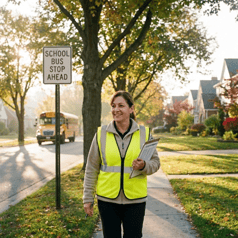 directors, those few minutes of waiting can feel like an eternity of worry. The good news? With better planning and smarter tools, you can dramatically improve bus stop safety for every student in your district.
Let's dig into how thoughtful bus stop planning can make a real difference.
Start With a Risk Assessment
Before you can fix problems, you need to find them. Conducting a systemwide risk assessment is the foundation of safer bus stops. Walk the routes. Document what you see. Note areas with poor visibility, high traffic, or inadequate lighting.
This assessment should guide every decision you make going forward. Think of it as your safety roadmap: without it, you're just guessing.
Visibility is Everything
Here's the deal: if drivers can't see students, accidents happen. Clear sightlines are non-negotiable when choosing or improving bus stop locations.
Your bus stops should allow for 360-degree visibility whenever possible. That means:
- Minimizing hiding spots where kids (or hazards) can go unnoticed
- Avoiding placement near blind curves or obstructed driveways
When buses approach, drivers need to spot students immediately - not after they've already passed the stop.
Light It Up
Poor lighting turns a safe bus stop into a risky one, especially during early morning pickups in winter months. Strategic lighting makes a huge difference.
Best practices include:
- Lights installed high enough to resist vandalism
- Downward-facing fixtures to reduce glare
- Clearly illuminated walkways and waiting areas
If your district struggles with lighting at certain stops, consider working with local municipalities to address problem areas.
Choose Locations Wisely
Not every corner makes a good bus stop. When selecting locations, consider:
- Pedestrian traffic patterns in the area
- Crime rates and neighborhood safety data
- Traffic volume and speed limits
- Signalized access (stops near traffic lights are generally safer)
Avoid placing stops where vehicles entering or exiting driveways can't see waiting students. A few extra feet of distance can prevent a tragedy.
Make Stops Accessible for Everyone
Safety planning must include accessibility. Students with disabilities deserve the same level of safety and convenience as everyone else.
Key accessibility features include:
- Level, well-drained paved surfaces
- Tactile warning strips for visually impaired students
- A minimum 5' x 8' landing area for wheelchair access (ADA compliance)
- Smooth, color-contrasted handrails where needed
Building accessible stops isn't just the right thing to do - it's the law.
Use Data to Drive Decisions
Here's where modern routing software becomes your best friend. Tools like BusBoss allow transportation directors to analyze stop locations, student density, and route efficiency all in one place.
Instead of relying on outdated spreadsheets or gut instincts, you can use real data to:
- Identify stops that need relocation
- Optimize routes to reduce student wait times
- Generate reports for state compliance
When you pair good planning with smart technology, safer bus stops become much easier to achieve. Check out our post on creating a culture of safety in school bus operations for more tips.
Keep Communication Open
Parents are your partners in bus stop safety. When you make changes, whether relocating a stop or adjusting pickup times, communicate early and often.
Mobile apps and real-time notifications help keep families informed and reduce confusion. When parents know what to expect, they can better prepare their kids for safe boarding and drop-off.
Key Takeaways
Creating safer bus stops doesn't require a massive budget - it requires better planning. Start with a thorough risk assessment, prioritize visibility and lighting, choose locations strategically, and lean on data-driven tools to guide your decisions.
Every improvement you make protects the students who depend on you.
Ready to see how BusBoss can help your district plan smarter, safer routes? Request a demo today and take the first step toward better bus stop planning.
Click here to request a live demo of our products.

PRESIDENT
Sonia has been involved with BusBoss since the late 1990’s, and has personally overseen many projects for various customers ranging from large urban and suburban districts to smaller rural school districts from all over the country.

 (484) 941-0820