

bus route optimization, Dispatch Software, asset school bus tracking system, best gps device for school bus, driver navigation, easy gps tracker for school bus
If you’ve been keeping an eye on the news lately, you know that the "yellow bus" is going green. Districts across the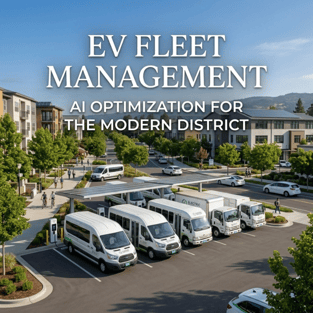 country are trading in their diesel engines for electric buses, driven by environmental goals and some pretty heavy-duty government grants. But here’s the reality check, managing an EV fleet is a lot different than managing traditional buses. You can’t just swap the fuel pump for a plug and call it a day.
When you transition to electric, your routing problems become energy problems. How far can the bus go on a 40% charge in the snow? When should you plug in to avoid the highest utility rates? This is where AI optimization steps in. At BusBoss, we’ve seen that the jump to electric is easier than many people think, provided you have the right software to do the heavy lifting.
The New Challenge: Energy as a Variable
In the old days (which were basically last year), a route was just a series of stops. If a bus ran low on fuel, the driver would hit a gas station. With electric buses, that’s not an option. You have "range anxiety," charging windows, and fluctuating electricity costs to worry about.
AI doesn't just look at the distance from Point A to Point B. It looks at the energy cost of that distance. For example, a route with heavy hills or frequent stop-and-go traffic will drain a battery much faster than a flat, suburban cruise. AI algorithms analyze these variables to ensure that every bus scheduled for a route actually has the juice to finish it.
AI-Driven Route Energy Calculations
Standard routing software tells you the quickest path. AI optimization tells you the most energy-efficient path. By integrating real-time data, these systems can predict energy consumption based on:
- Terrain and Elevation: Climbing a steep hill consumes more power than cruising on level ground.
- Passenger Load: A bus full of high schoolers weighs significantly more than an empty one, affecting the battery draw.
- Weather Conditions: Extreme cold is the enemy of the EV battery. AI can adjust range expectations based on the local forecast, ensuring drivers aren't left stranded when the temperature drops.
- Traffic Patterns: Constant idling in a city intersection (like those seen in urban routing scenarios) drains auxiliary systems like heating and cooling.
By calculating these factors before the bus even leaves the yard, districts can maximize their fleet's utility. If you're curious about how your current routes stack up, check out our routing calculator to see where you might be able to save.
Smart Charging: Saving the Grid (and Your Budget)
One of the biggest hurdles in EV fleet management is infrastructure. If you plug in 50 buses at 3:00 PM when they return from their afternoon runs, you’re likely hitting "peak demand" hours. This is when electricity is most expensive, and it can put a massive strain on the local power grid.
AI-driven charging schedules solve this by communicating with the utility provider and the buses themselves. The system knows which buses are needed first, the next morning, and which ones have the most battery remaining. It then staggers the charging cycles during "off-peak" hours (usually late at night) to get the lowest possible rates. This type of intelligent power load balancing prevents grid overload and keeps your operational costs low.
Predictive Maintenance for the Digital Bus
One of the best things about electric buses is that they have fewer moving parts than diesel engines. No oil changes, no mufflers, and no spark plugs. However, the parts they do have, like the battery pack, are incredibly expensive.
AI uses predictive analytics to monitor the "health" of these components. By analyzing telematics data, the software can spot patterns that suggest a battery cell is underperforming or a motor is losing efficiency before a breakdown occurs. This shifts the district from reactive maintenance to predictive maintenance, extending the life of your fleet and keeping kids safe. For more on how these systems operate, you can read our guide on school management systems.
Coaching Your Drivers for Efficiency
Believe it or not, the person behind the wheel has a massive impact on an EV’s range. Electric buses use "regenerative braking," which puts energy back into the battery when the driver slows down smoothly. On the flip side, "lead-foot" acceleration and hard braking waste energy.
AI optimization tools track these behaviors in real-time. By using GPS systems to promote safer drivers, districts can provide coaching that helps drivers maximize their regenerative braking. It’s a win-win; the buses go further on a single charge, and the ride is smoother and safer for the students.
The Financial Impact of AI in EV Management
Let's talk money. The initial cost of an electric school bus is high, often three times the price of a diesel bus. The ROI (Return on Investment) depends entirely on how efficiently you run the fleet.
Without AI optimization, you might find yourself over-ordering buses because you aren't utilizing your current ones to their full capacity, or paying thousands in "demand charges" to your electric company. AI ensures you are using the minimum amount of energy for the maximum amount of transport. When combined with other savings strategies, like using attendance zones to save money, the transition to an EV fleet becomes a massive financial win for the district.
Why "Modern" Means "AI-First"
The "Modern District" isn't just one that has new buses; it's one that uses data to make smarter decisions. Transitioning to electric is a journey that involves more than just the transportation department; it involves IT, facilities, and the school board.
When you have a central "brain" (the AI software) managing your routes and charging, it takes the guesswork out of the hands of your staff. This allows your team to focus on what matters most, student safety, and on-time performance.
Summary: Key Takeaways for Districts
- Energy is the New Currency: Routing is no longer just about miles; it's about kilowatt-hours. AI calculates terrain, weather, and load to ensure range accuracy.
- Charge Smarter, Not Harder: AI-driven schedules avoid peak electricity rates and prevent grid strain.
- Predictive Over Reactive: Use data to fix batteries and motors before they fail, saving on long-term repair costs.
- Driver Habits Matter: Use telematics to coach drivers on regenerative braking to squeeze every last mile out of a charge.
Adopting electric buses is a bold step toward a cleaner future for our kids. But don't go it alone. The complexities of power management and route energy calculations are exactly what AI was built to solve.
Ready to see how AI can transform your district’s transportation? Contact the BusBoss team today to learn how our routing solutions can help you manage your EV transition with confidence.

PRESIDENT
Sonia has been involved with BusBoss since the late 1990’s, and has personally overseen many projects for various customers ranging from large urban and suburban districts to smaller rural school districts from all over the country.
 (484) 941-0820