

bus route optimization, Dispatch Software, asset school bus tracking system, best gps device for school bus, driver navigation, easy gps tracker for school bus
When a water main breaks, a severe storm rolls in, or an unexpected school closure is announced, transportation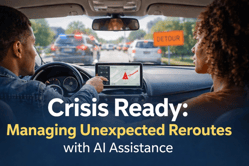 coordinators don't have hours to figure things out. They have minutes, sometimes seconds, to reroute dozens of buses while keeping students safe and parents informed.
This is where AI-powered routing assistance becomes invaluable. Let's explore how modern technology helps K-12 transportation teams stay crisis-ready.
The Reality of Crisis Management in School Transportation
Traditional crisis response often relies on static contingency plans, phone trees, and coordinators making rapid decisions based on experience and instinct. While these methods have worked in the past, they struggle to keep pace with dynamic, fast-changing situations.
Consider a scenario in which a chemical spill closes three major roads during afternoon dismissal. How do you reroute 40 buses simultaneously while ensuring every student still gets home safely? Manual recalculation is nearly impossible under time pressure.
Real-Time Dynamic Rerouting
AI-powered systems analyze traffic conditions, road closures, and population data to recommend optimal alternative routes, and they do it in real time. As conditions shift, these systems continuously adjust recommendations, ensuring coordinators always have the most current options.
This dynamic optimization means:
- Immediate identification of blocked or dangerous routes
- Automatic alternative suggestions that account for bus capacity and student locations
- Continuous updates as new information becomes available
Rather than scrambling to manually redraw routes, coordinators can focus on communication and oversight while the system handles complex calculations.
Decision Support When It Matters Most
During emergencies, decision-makers face information overload. AI decision-support tools cut through the noise by processing vast amounts of data and presenting actionable insights.
These systems help coordinators:
- Prioritize which buses need immediate rerouting
- Allocate available drivers and vehicles effectively
- Identify students who may need alternative pickup arrangements
By simulating different response scenarios, AI helps teams quickly determine the best course of action, replacing gut instinct with data-driven recommendations.
Predictive Scenario Modeling
One of AI's most powerful capabilities is anticipating problems before they escalate. Through predictive analytics, transportation software can model thousands of "what if" scenarios.
What happens if this intersection floods? What if three drivers call in sick during a snow delay? How do we handle an early dismissal with 30 minutes' notice?
Having these scenarios pre-modeled means faster response times when real emergencies occur. Your team isn't starting from scratch; they're executing a refined plan.
Enhanced Situational Awareness
Real-time data streams processed by AI provide continuous situational awareness. Coordinators can detect anomalies, track bus locations, and execute interventions immediately.
This matters because crisis environments change rapidly. A route that was clear five minutes ago may now be impassable. AI-powered systems monitor these changes at near-zero latency, empowering teams to make split-second decisions based on accurate, current information.
Keeping Parents Informed
Crisis management isn't just about logistics; it's about communication. When routes change unexpectedly, parents need to know. AI-assisted systems can trigger automatic notifications, updating families about delays, new pickup locations, or schedule changes.
This reduces the flood of "where's my bus?" calls that overwhelm offices during emergencies, freeing staff to focus on coordination. For more on improving parent communication, check out our guide on how mobile apps improve parent communication.
Implementation Considerations
Successfully deploying AI for crisis management requires attention to data quality, cybersecurity, and maintaining human oversight. Technology should support coordinators, not replace their judgment.
The best systems provide transparency in their recommendations, allowing experienced professionals to understand why a particular reroute is suggested and override it when necessary.
Key Takeaways
- AI enables real-time dynamic rerouting during emergencies
- Decision-support tools help coordinators process information faster
- Predictive modeling prepares teams for various crisis scenarios
- Automated parent communication reduces office overload
- Human oversight remains essential for ethical, effective crisis response
Ready to make your district crisis-ready? Contact BusBoss to learn how our routing solutions can help your team respond faster and smarter when the unexpected happens.

PRESIDENT
Sonia has been involved with BusBoss since the late 1990’s, and has personally overseen many projects for various customers ranging from large urban and suburban districts to smaller rural school districts from all over the country.
 (484) 941-0820