
Student Tracking Software, student ridership, school bus software, Yellow School Bus, school bus reporting
Understanding the Student Safety Gap: What DistrictsOverlook
Many school districts believe that their existing transportation processes provide adequate student safety,but a closer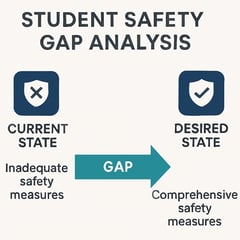 look often reveals significant gaps. These blind spots can includeunverified student boarding, inconsistent bus tracking, outdated route data,and fragmented communication between staff, students, and parents.
Districts frequently overlook the impact of manual processesand disconnected technology systems. Without unified, real-time visibility intostudent movement and vehicle status, even the most well-intended safetyprotocols can fall short, putting students at risk and exposing districts tocompliance and liability concerns.
The True Cost of Safety Blind Spots in SchoolTransportation
Safety blind spots come with tangible costs. When studentwhereabouts are assumed rather than verified, incidents such as missed stops,unauthorized bus exits, or delayed responses to emergencies can result insignificant legal, reputational, and financial ramifications for districts.
Operational inefficiencies—such as redundant routes,excessive fuel usage, and unplanned overtime—further drain budgets. Investingin a comprehensive gap analysis helps districts identify both hidden safetyrisks and opportunities for cost savings, ensuring resources are directed wherethey have the greatest impact.
Integrating Real-Time Data and Verification for EnhancedSecurity
Modern transportation management platforms integrate GPStracking, RFID-based student verification, and real-time data synchronizationto ensure every student is accounted for throughout the transportation process.These systems provide transportation staff with live insight into buslocations, boarding and exiting events, and route adherence, closing criticalsafety gaps.
By leveraging tools such as BusBoss’s integrated technologystack, districts can move from reactive incident response to proactive safetymanagement—reducing risk while streamlining operations and eliminatingredundant manual tasks.
Optimizing Routes and Fleet Operations WithoutCompromising Safety
Route optimization software enables districts to design safeand efficient routes that minimize travel distance, fuel consumption, and fleetwear, all while adhering to compliance and safety standards. Real-timeadjustments for field trips, weather, or driver shortages help avoid costlydisruptions and ensure every student’s needs are met.
By automating dispatch, maintenance scheduling, andreporting, districts reduce administrative overhead and extend the longevity oftheir fleets. These efficiencies translate directly into cost savings that canbe reinvested in safety improvements and staff training.
Building a Proactive Safety Culture: Training,Technology, and Transparency
A thorough safety gap analysis is only the firststep—sustained improvement requires a proactive culture that incorporatesongoing staff training, transparent parent communication, and continuoustechnology upgrades. When transportation teams, drivers, and administratorsshare real-time information and clear protocols, preventable incidents areminimized, and parent trust is strengthened.
Districts that commit to transparency and data-drivendecision making are better equipped to adapt to changing regulations, budgetconstraints, and evolving safety challenges. By prioritizing both safety andoperational efficiency, school districts can deliver on their dualresponsibility: protecting students and stewarding taxpayer resources.
Ask us about remote software solutions to manage mobility requirements, personnel training, and support services for your schools’ transportation technology. Call 866-740-8994 or contact BusBoss.
Mistakes happen in student transportation. What’s the biggest blunder your school made that had a happy ending? Share your lessons learned.
 (484) 941-0820