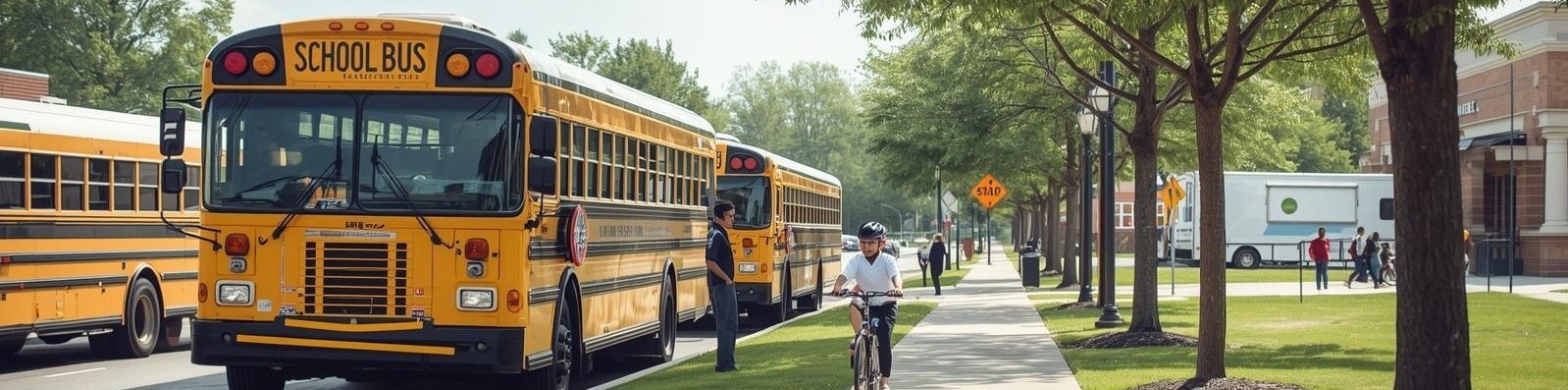
Imagine a world where student transportation in 2026 is seamless, safe, and reliable. No more morning chaos or uncertainty about your child’s journey to school.
As the landscape of student transportation rapidly evolves, staying informed is vital for administrators, parents, and students alike. This guide is designed to help you navigate these changes with clarity and confidence.
Discover the latest trends, essential safety protocols, and innovative technologies shaping the future of school transit. Get expert advice to ensure every student travels securely and efficiently. Prepare to lead the way in student transportation for 2026.
Adapting to the future of student transportation requires careful attention to shifting demands, regulations, and innovation. In 2026, every district will face new challenges and opportunities as the landscape evolves.
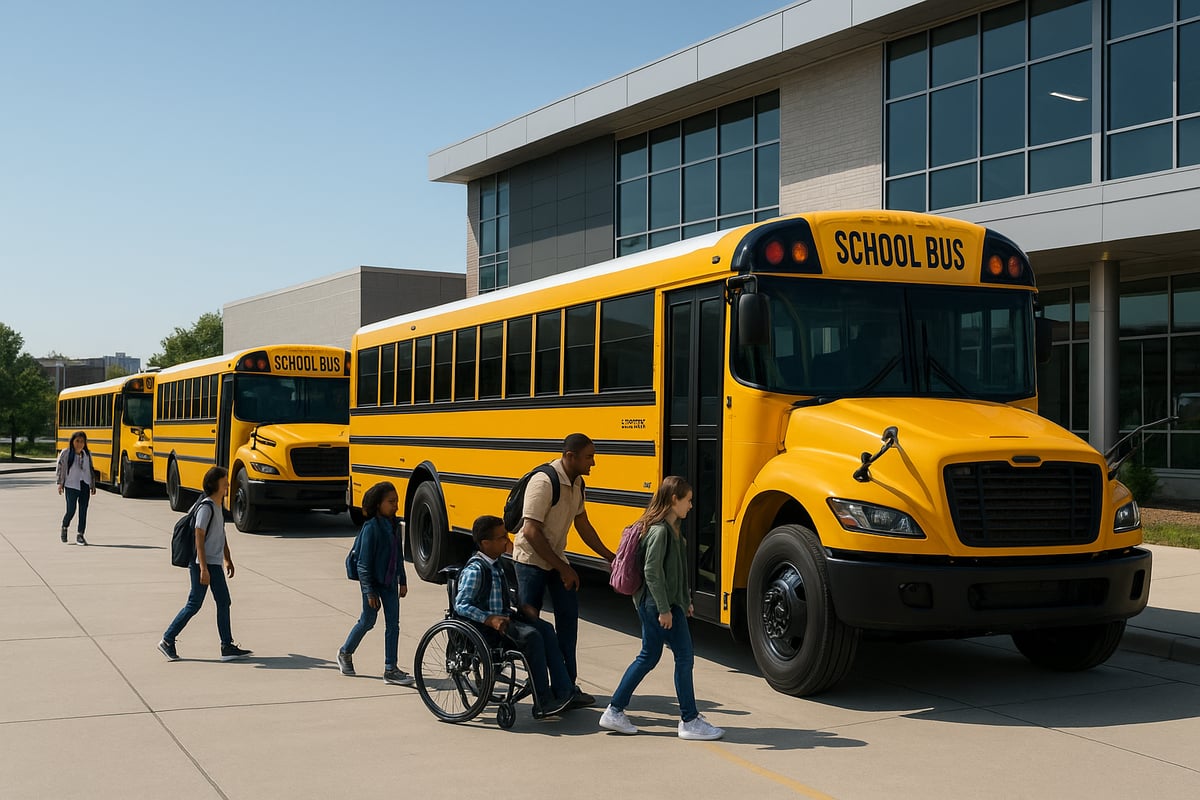
Districts are experiencing significant shifts in student transportation needs. Growing student populations, especially in suburban and urban areas, challenge existing capacity and scheduling. Rural areas face different hurdles, such as longer travel distances and limited resources.
Schools must also prioritize accessibility for students with special needs. This requires dedicated vehicles, specialized equipment, and trained staff. The push for flexible and adaptive transportation options grows as after-school programs, varying bell times, and extracurricular activities become more common.
Understanding these evolving demographics ensures student transportation remains equitable and responsive. Regular community feedback and data-driven planning are vital for success.
The regulatory environment for student transportation in 2026 is more complex than ever. New federal and state guidelines emphasize stricter safety compliance, including enhanced vehicle inspections and updated driver credential requirements. Reporting standards have become more rigorous, demanding transparency and accountability from all school districts.
Environmental mandates are also shaping policy. Many states, such as New York, have adopted zero-emission school bus targets to reduce carbon footprints and improve air quality. These policies require districts to plan for fleet upgrades and consider long-term sustainability.
Staying current with these updates is essential for maintaining safe, legal, and future-ready student transportation systems.
The rise of electric and hybrid school buses is transforming student transportation. Districts are rapidly adopting these vehicles to meet environmental goals and reduce long-term operating costs. By 2026, projections suggest 40 percent of new school buses will be electric, signaling a major industry shift.
Micro-transit and ride-sharing models are emerging to support students in areas where traditional buses are less practical. Integration with public transit, especially for high school students, offers additional flexibility and cost savings. For those seeking to finance these changes, exploring funding electric school buses provides actionable strategies and resources.
Embracing these innovations ensures student transportation remains efficient and adaptable to diverse community needs.
Financial management is a top concern for student transportation leaders. Funding sources are shifting, with districts relying on a mix of local, state, and federal grants. Inflation and fuel price volatility add uncertainty to annual budgets, making cost-saving measures more important than ever.
Districts are adopting creative strategies, such as consolidating routes, investing in fuel-efficient vehicles, and leveraging technology for operational savings. Careful resource allocation, combined with ongoing grant research, helps maintain service quality while addressing fiscal constraints.
Prioritizing sustainability and efficiency in student transportation budgeting ensures readiness for future challenges.
Expectations for student transportation have never been higher. Parents demand transparency and real-time communication about routes, schedules, and safety protocols. Students expect comfortable, reliable rides that support their academic and extracurricular commitments.
Administrators focus on delivering efficient service while maintaining strict safety and accountability standards. Open communication and stakeholder engagement are key to building trust and ensuring satisfaction across the entire school community.
By meeting these evolving expectations, districts can foster a culture of excellence in student transportation and set the stage for continued innovation.
Effective student transportation begins with a detailed, data-driven plan. By breaking the process into actionable steps, districts can ensure safety, efficiency, and adaptability for every student. Follow this structured approach to build a resilient and future-ready student transportation system for 2026.
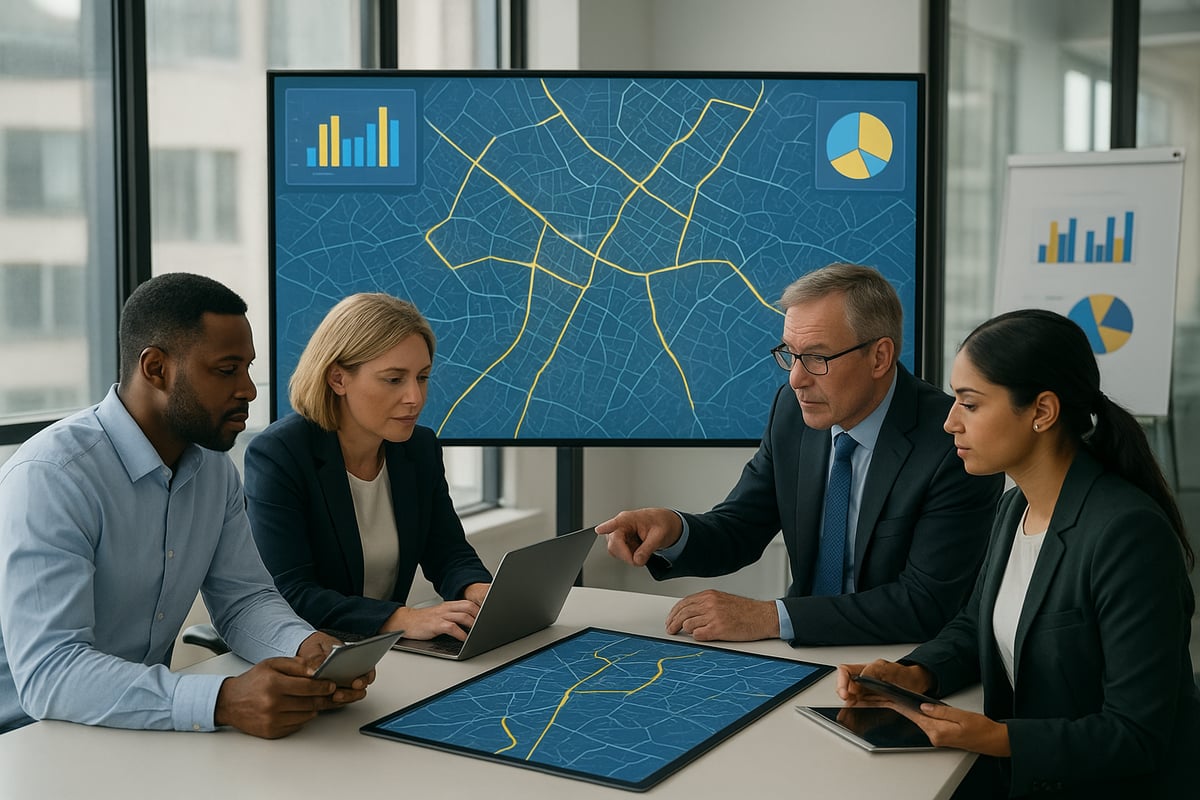
Begin by evaluating your district’s unique student transportation requirements. Conduct demographic studies to understand population shifts, school boundaries, and projected enrollment changes. Use surveys to gather feedback from parents, students, and staff about current transit experiences and unmet needs.
Identify special considerations, such as support for special education programs or after-school activities. Engage stakeholders early in the process to build trust and ensure diverse voices are heard. By prioritizing transparency and inclusivity, your student transportation plan will reflect the true needs of your community and provide a strong foundation for every subsequent step.
Once needs are assessed, route planning becomes critical for student transportation. Utilize GIS mapping and route optimization software to design efficient, safe bus routes. Factor in traffic trends, construction schedules, and seasonal weather patterns to minimize delays.
Implementing effective route optimization for school buses can reduce ride times and operational costs, while supporting better service for families. Regularly review and adjust routes based on feedback and real-time data. This proactive approach ensures student transportation remains responsive and reliable as conditions evolve.
Compliance is non-negotiable in student transportation planning. Stay up to date with all 2026 federal, state, and local regulations. Review safety checklists, including seat belt requirements, driver credentialing, and emissions standards. Schedule routine vehicle inspections, and conduct safety drills for both drivers and students.
Prepare documentation to meet evolving reporting requirements. A culture of compliance not only protects your district but also builds community confidence in your student transportation program. Regular training and open communication help ensure everyone understands and meets the latest standards.
Modern student transportation relies on innovative technology to drive safety and efficiency. Deploy GPS tracking, student ID systems, and parent notification apps to enhance real-time monitoring and communication. Leverage data analytics tools to identify patterns, optimize routes, and improve overall service quality.
Consider implementing RFID cards for student check-in and check-out to boost accountability. Evaluate new technologies regularly and pilot promising solutions to keep your student transportation system on the cutting edge. Make technology integration a continuous process for long-term success.
Financial planning is key to sustainable student transportation. Project costs for vehicles, fuel, maintenance, and personnel, accounting for inflation and market volatility. Explore a mix of funding sources, including state and federal grants, local budgets, and public-private partnerships.
Create a flexible budget that can adapt to unexpected expenses or funding changes. Prioritize investments in safety, technology, and staff development. By aligning financial decisions with core goals, districts can deliver effective student transportation even in challenging economic climates.
Clear, consistent communication is the backbone of successful student transportation. Establish multiple channels—such as mobile apps, email alerts, and community forums—to keep parents and students informed about schedules, changes, and safety updates.
Offer ongoing training for drivers and staff on emerging protocols and technologies. Educate families on transportation policies, safety practices, and how to access resources. Building strong communication and education programs ensures everyone involved in student transportation feels informed, supported, and confident.
Ensuring safety and security remains at the heart of student transportation in 2026. With evolving risks and new technologies, districts must continually adapt their strategies. Each aspect of student transportation safety is essential for building trust and protecting every rider.
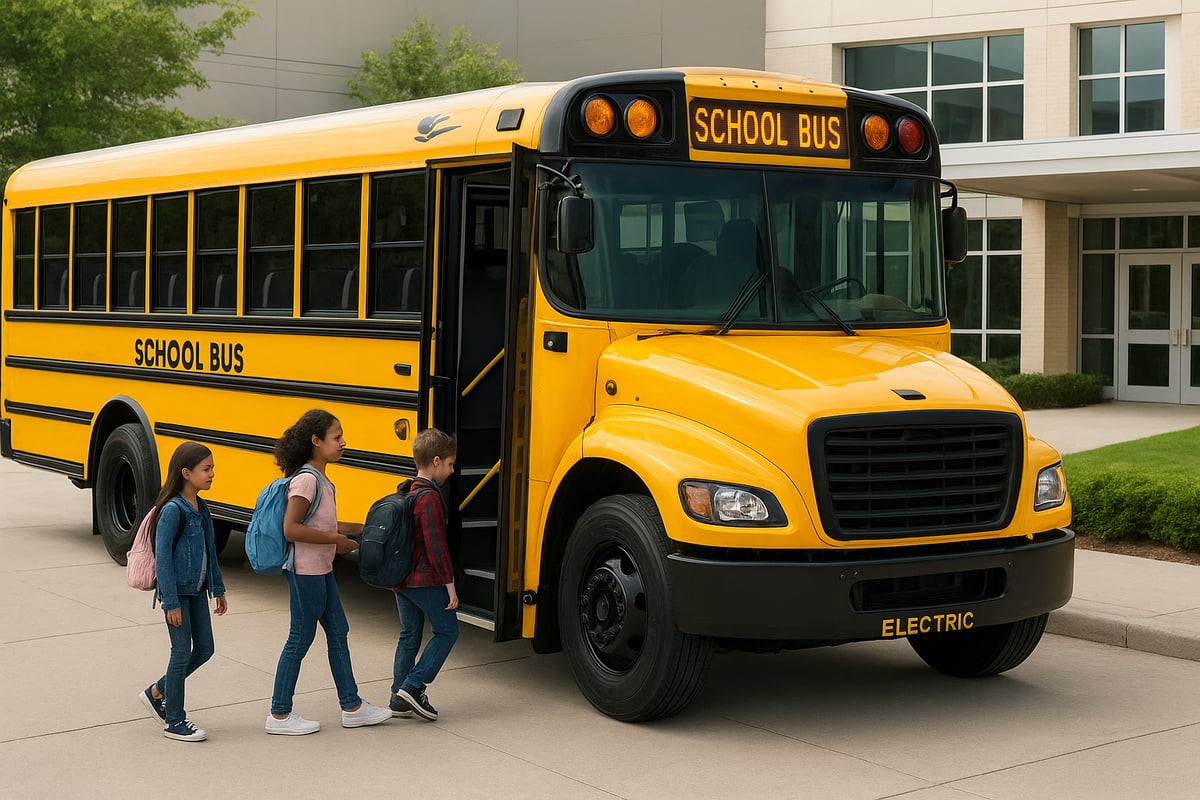
Physical safety in student transportation has advanced rapidly. New seat belt technologies, reinforced bus structures, and improved accessibility features are now standard. The School Bus Safety Act of 2025 introduces stricter requirements for seat belts and crash protection, ensuring buses meet the latest federal benchmarks.
Districts prioritize:
- Three-point seat belts for all riders
- Lower entry steps and wheelchair lifts
- High-visibility markings and LED lighting
According to NHTSA, proper seat belt use in student transportation reduces injury risk significantly. Continuous upgrades in vehicle design make every journey safer for students.
As student transportation systems become more connected, digital and data security is critical. GPS tracking, student ID systems, and parent notification apps generate sensitive information daily. Protecting this data is vital to maintain privacy and prevent unauthorized access.
Best practices include:
- Using encrypted communication channels
Districts should train employees in cybersecurity to ensure student transportation remains both efficient and secure.
Unexpected events can disrupt student transportation at any time. Updated emergency protocols help districts respond to severe weather, accidents, or security threats. Regular safety drills prepare drivers and students to act quickly and calmly.
Key steps include:
- Developing clear evacuation procedures
A Texas district’s effective response to severe storms shows how preparedness within student transportation can save lives and minimize disruption.
Post-pandemic realities have reshaped health protocols in student transportation. Enhanced air filtration, frequent cleaning, and wellness monitoring are now routine. These measures help prevent illness and ensure a healthy ride for every student.
Key features:
- HEPA filtration systems in buses
Creating a healthier environment supports consistent attendance and peace of mind for families relying on student transportation.
True safety in student transportation goes beyond equipment and protocols. Involving students, parents, and staff in safety initiatives fosters shared responsibility. Recognition programs for safe behavior and open communication channels further strengthen this culture.
Effective strategies:
- Conducting safety workshops for students
A strong safety culture ensures student transportation remains a trusted part of the school experience.
In 2026, technology is redefining student transportation from the ground up. Districts are embracing sophisticated tools to solve everyday challenges, boost safety, and streamline communication. The right technology stack can make the difference between missed pickups and flawless daily operations.
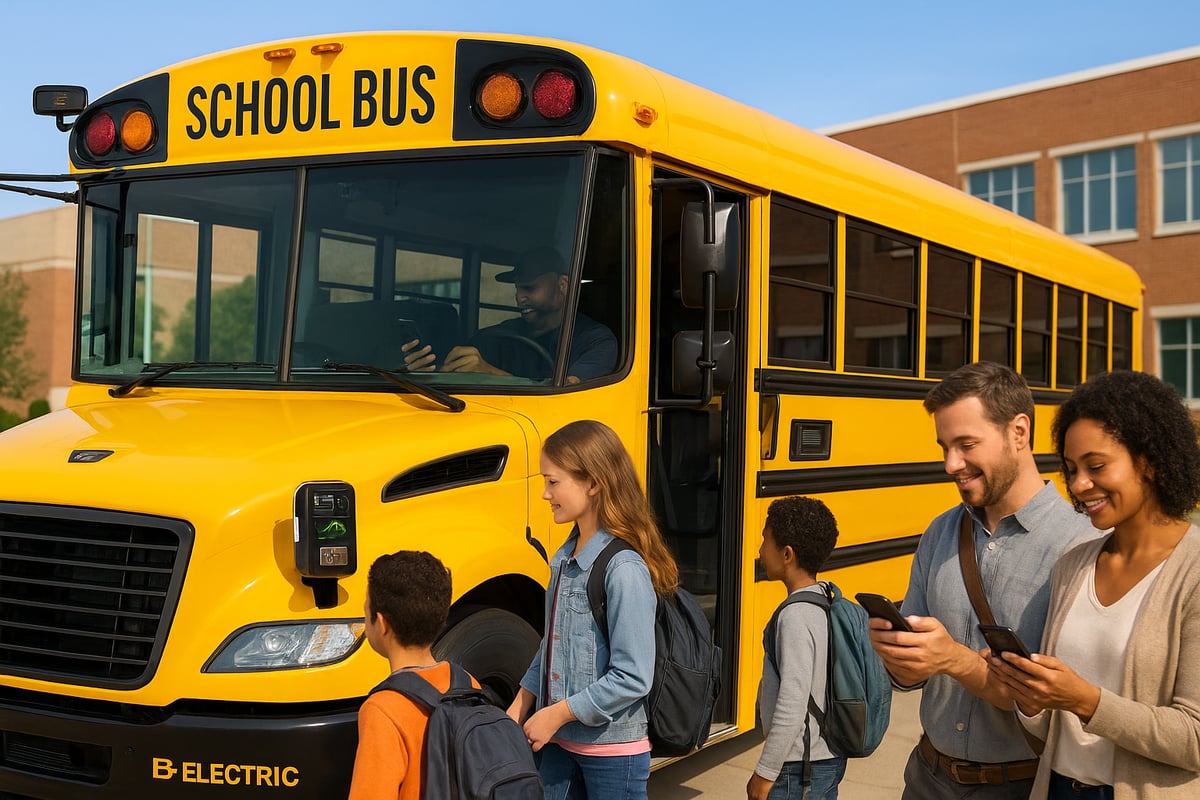
GPS tracking has become central to student transportation, offering instant insight into bus locations and on-time performance. With real-time monitoring, parents and administrators can check the status of every route at a glance. This technology reduces missed pickups, increases accountability, and provides peace of mind.
Many districts report that using GPS has decreased calls about delays and improved response times. When emergencies arise, GPS data helps dispatchers coordinate support quickly. For a deeper look at how GPS tracking enhances safety and accountability in student transportation systems, explore this GPS tracking for student safety resource.
AI-powered route optimization is transforming how student transportation adapts to daily realities. These tools analyze traffic patterns, weather, and school schedules to create the most efficient paths. As a result, districts save on fuel and maintenance while reducing student ride times.
Route optimization software allows for easy adjustments when roadwork or unexpected closures occur. By integrating with bell schedules, these systems ensure timely arrivals and departures. Student transportation planners now rely on data-driven insights to achieve both efficiency and safety.
Modern student transportation depends on accurate ridership tracking. RFID cards, mobile apps, and digital check-in systems help districts know exactly who is on board at any given time. This technology is especially valuable for ensuring students arrive safely and for managing attendance records.
Parents benefit from immediate notifications when their child boards or exits the bus. Administrators use ridership data to refine routes and respond quickly to any issues. With these systems, student transportation achieves a new level of transparency and trust.
Effective communication is the backbone of student transportation success. Automated alerts keep families informed of delays, route changes, or emergencies in real time. Two-way messaging between drivers, schools, and parents fosters quick problem-solving and reassurance.
Modern notification platforms are designed for accessibility, offering multi-language support and easy integration with district apps. By keeping everyone in the loop, these tools minimize stress and confusion, building confidence in student transportation operations.
Data analytics is unlocking powerful improvements in student transportation. By tracking key performance metrics, districts can identify bottlenecks, monitor safety incidents, and benchmark against national standards. Analytics platforms turn raw data into actionable insights, guiding future investments and training.
Regular reporting helps administrators justify budgets and demonstrate compliance with regulatory requirements. As data-driven decision making becomes standard, student transportation will continue to evolve based on measurable outcomes and community needs.
The future of student transportation is rapidly evolving as districts prioritize sustainability, flexibility, and technological innovation. Understanding these trends is essential for any school community aiming to provide safe, efficient, and equitable transit in 2026.
Electrification is transforming student transportation as districts transition to electric and low-emission fleets. The push for cleaner air and reduced emissions is supported by federal and state grants, helping schools upgrade their vehicles. For example, California’s electric bus pilot programs are setting the standard for sustainability. Districts that invest in green technology not only lower operational costs but also demonstrate environmental stewardship, making student transportation a model for future-ready transit.
Districts are embracing multimodal approaches to student transportation to meet the diverse needs of students. By combining traditional school buses, micro-transit, and public transportation, schools can offer flexible solutions for after-school activities and varying schedules. On-demand transportation services are also on the rise, ensuring that every student can participate in extracurricular programs without transportation barriers. These adaptive strategies make student transportation more responsive and inclusive.
Ensuring that student transportation serves all students, regardless of ability or location, is a top priority for 2026. Equity-focused transportation plans are making a measurable impact, with districts reporting 20 percent higher ridership when they prioritize accessibility. Recent data from the Special-Needs Transportation Survey Report 2026 highlights growing adoption of technology and service adjustments to support special-needs riders. These efforts help create a transportation system that truly works for everyone.
Artificial intelligence is reshaping student transportation through predictive maintenance and smart route planning. AI-powered systems monitor vehicle health, anticipate potential issues, and optimize routes in real time. This proactive approach reduces downtime and improves reliability. Looking ahead, autonomous school buses and smart infrastructure may soon become a reality, further enhancing the efficiency and safety of student transportation.
Building resilience into student transportation is essential in a world of rapid change. Districts are adopting scenario planning and flexible contracts to adapt quickly to pandemics, natural disasters, and shifting demographics. By preparing for unexpected events, schools can ensure uninterrupted service and safety for every student. Staying agile allows student transportation systems to thrive, no matter what challenges arise.
Preparing for the future of student transportation means staying proactive and informed. As 2026 approaches, school leaders, families, and transportation teams can benefit from expert guidance, ongoing training, and the right resources.
Continuous professional development is essential for safe and reliable student transportation. Drivers and staff must stay updated on new safety protocols, vehicle technologies, and compliance requirements.
- Enroll in annual certification courses tailored to 2026 standards.
By investing in training, districts ensure their student transportation teams are well-prepared for evolving challenges and responsibilities.
Building strong communication channels with parents and students boosts confidence in student transportation. Clear, consistent updates help families feel informed and secure.
- Use notification apps for real-time bus tracking and schedule changes.Encouraging feedback and involving families in safety initiatives strengthens trust and accountability.
Selecting reliable contractors or technology vendors is vital for effective student transportation. Evaluate partners based on safety records, transparency, and service-level agreements.
- Request references and review contract terms thoroughly.A transparent selection process leads to better outcomes for districts and students alike.
Accessing expert resources keeps student transportation programs compliant and future-ready. Government agencies and industry associations offer valuable toolkits, checklists, and networking opportunities.
- Consult federal and state guides for regulatory updates.Staying informed ensures your student transportation program meets the highest standards.
Monitor transportation technology news and policy shifts to anticipate changes in student transportation. Participate in pilot programs and innovation grants to test new solutions.
- Set up alerts for emerging technologies and regulations.Proactive engagement with trends helps your team navigate 2026 with confidence.
As you look ahead to 2026, planning safe, efficient, and future-ready student transportation doesn’t have to be overwhelming. With new regulations, evolving technology, and the rising need for transparency, it’s more important than ever to equip your district with the right tools. Orbit Software’s BusBoss can help you streamline routes, enhance student safety, and manage every detail with confidence. If you’re ready to see how an integrated solution can transform your transportation planning and give peace of mind to families and staff alike, let’s take the next step together—Book Demo Now!


 Orbit Software, Inc.
424 King Street
Pottstown, PA 19464

 (484) 941-0820